
Precision casting with excellent quality
Integrated research and development, manufacturing, sales, and technical services of laboratory scientific instruments and intelligent equipment
National Consultation Hotline 15738867410
Integrated research and development, manufacturing, sales, and technical services of laboratory scientific instruments and intelligent equipment
National Consultation Hotline 15738867410

15738867410
Greenland Binhu International City (District 1), Erqi District, Zhengzhou City, Henan Province
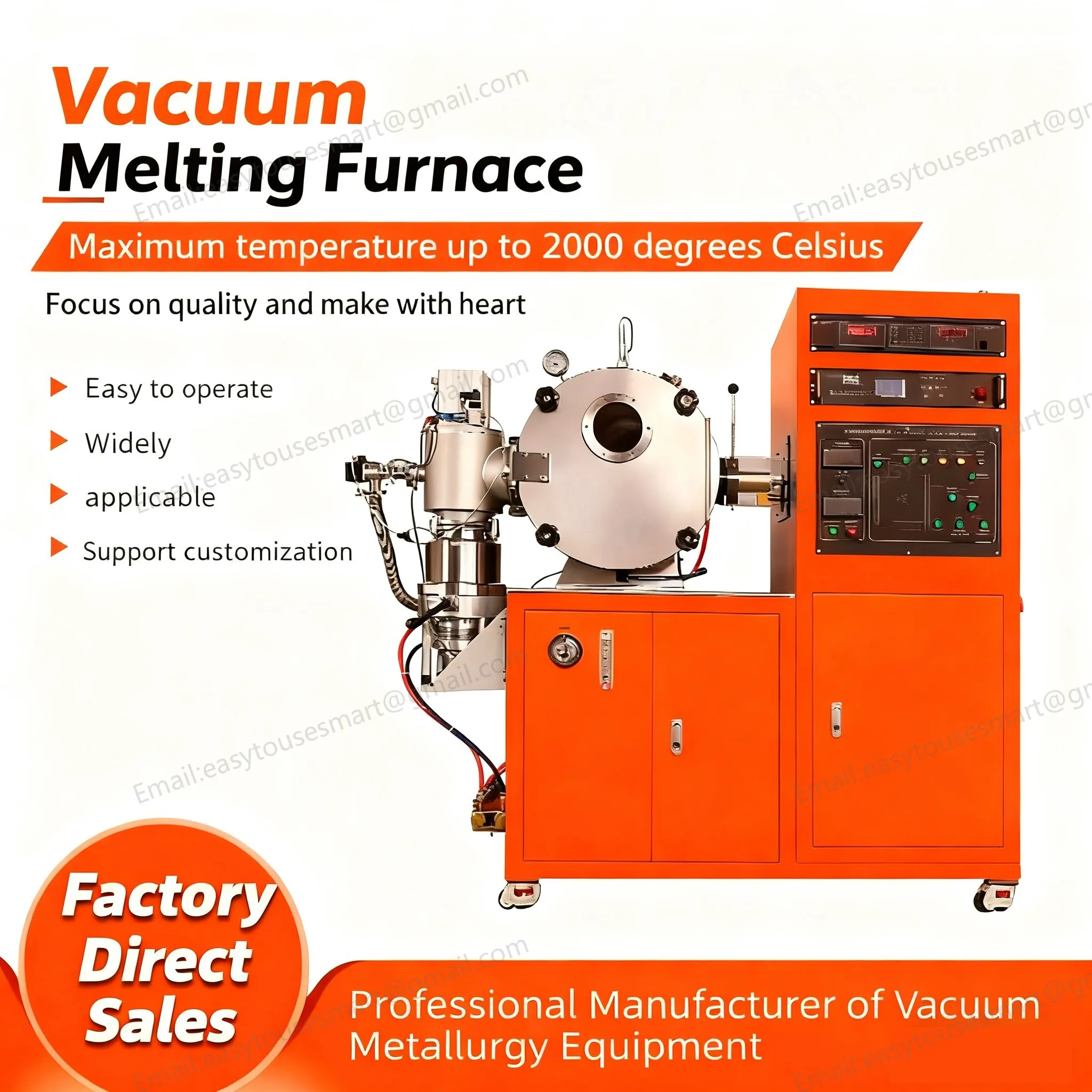
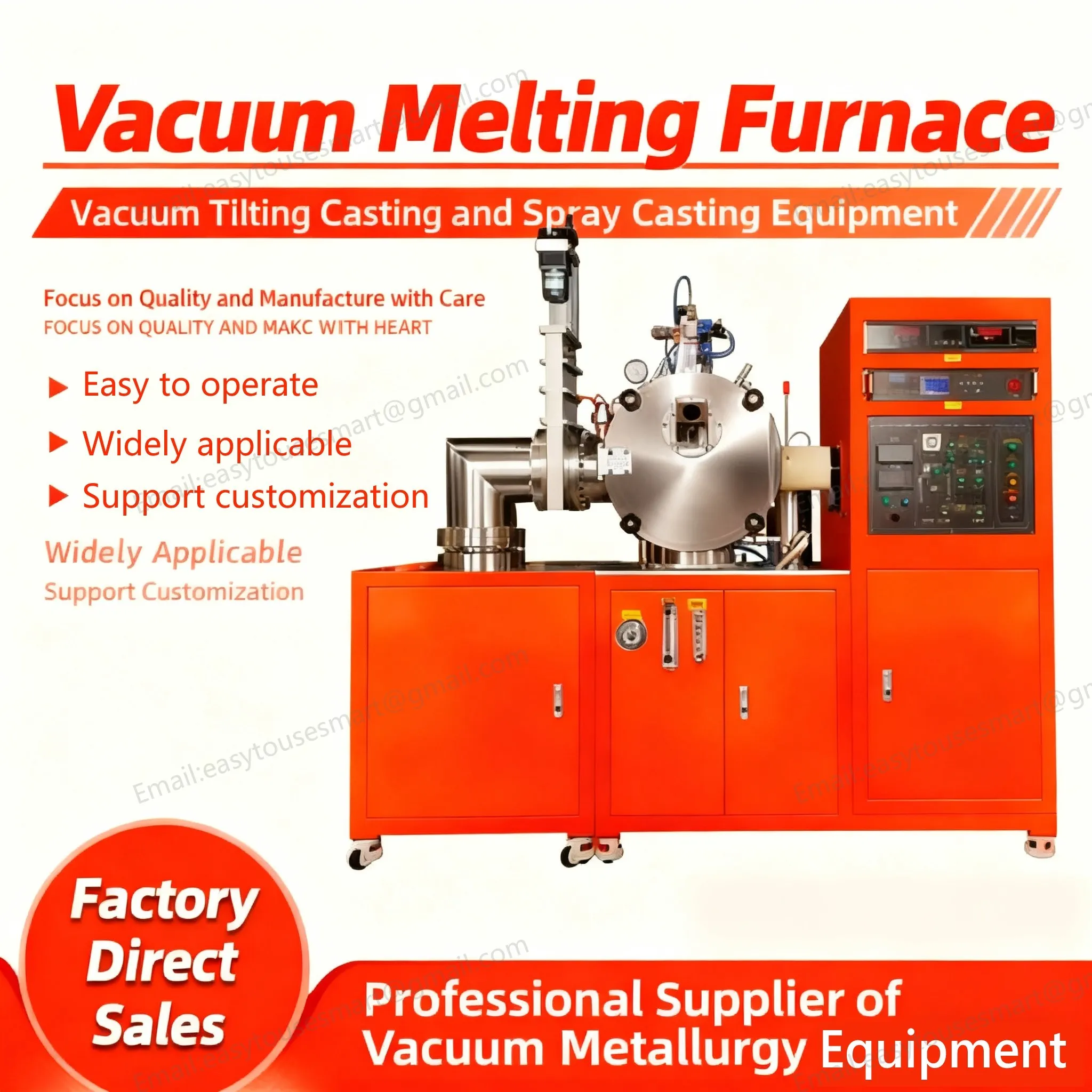
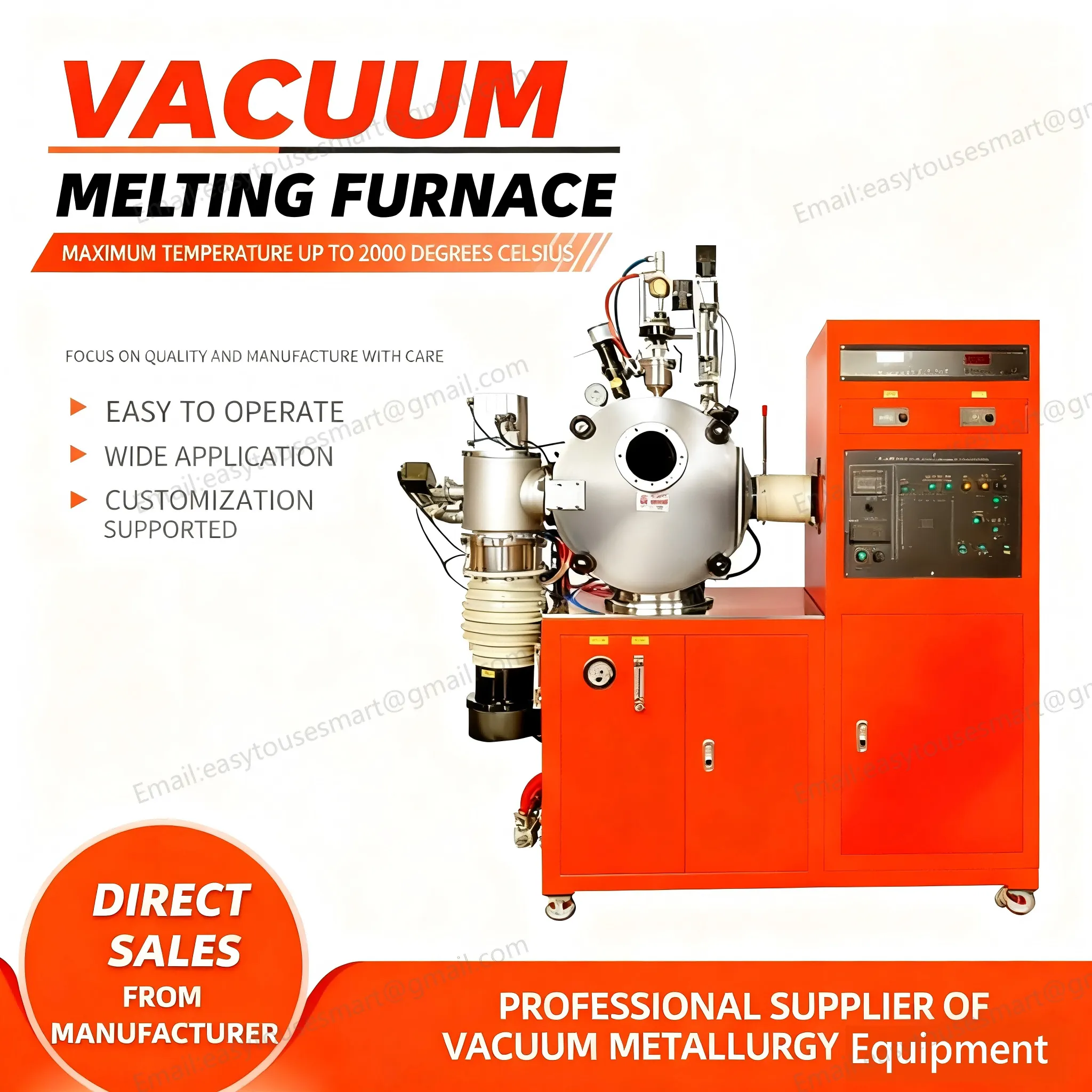
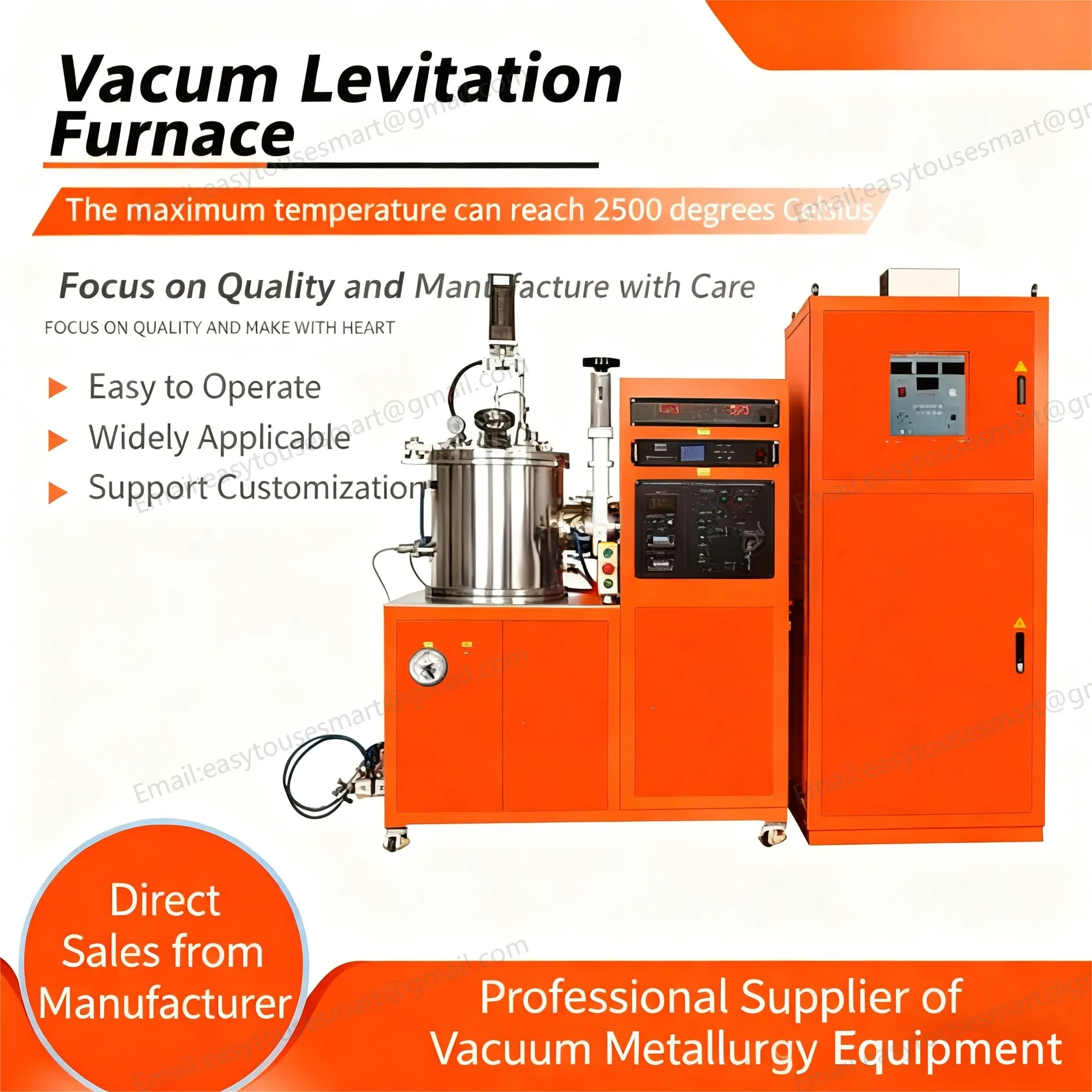
As the core equipment for producing high-purity metals and special alloys, vacuum melting furnaces require strict operational conditions to ensure melting quality, equipment longevity, and operational safety. Improper use of these conditions may not only reduce alloy purity and cause equipment failures but also lead to safety incidents. Vacuum melting technology, which operates under the principle of "isolating pollution in a vacuum environment," is categorized into three main types based on heating sources: vacuum induction melting, vacuum arc melting, and electron beam melting. Each type has distinct working principles and application scenarios, all of which must adhere to stringent operational conditions and maintenance protocols. The specific analysis is as follows:
I. Three Major Types of Vacuum Smelting: Principles, Characteristics, and Applicable Scenarios
The key distinction of vacuum melting furnaces lies in their heating source, which determines the melting efficiency, temperature range, and applicable materials. The appropriate type must be selected based on actual requirements.
1. Vacuum induction melting: Electromagnetic induction heating, suitable for small to medium batch alloy melting
Working principle: Place the metal charge into a crucible positioned within an induction coil. Upon connecting the coil to an alternating current power supply, an alternating magnetic field is generated. The charge induces eddy currents due to electromagnetic induction, and the heat from these currents melts the charge. The entire process occurs under vacuum conditions, effectively removing gaseous impurities (such as hydrogen and nitrogen) from the metal, thereby reducing oxidation contamination.
Key features: Rapid heating speed, uniform temperature distribution, and precise control of melting temperature (typically reaching 1600-2000°C), with strong adaptability to furnace charge morphology (both granular and lump forms); however, due to crucible material limitations, it is prone to crucible contamination when melting reactive metals such as titanium and zirconium.
Application scenarios: Melting and preparation of small-to-medium batch special alloys (e.g., stainless steel, high-temperature alloys), particularly suitable for the R&D and production of alloys for small-to-medium components in the aerospace industry.
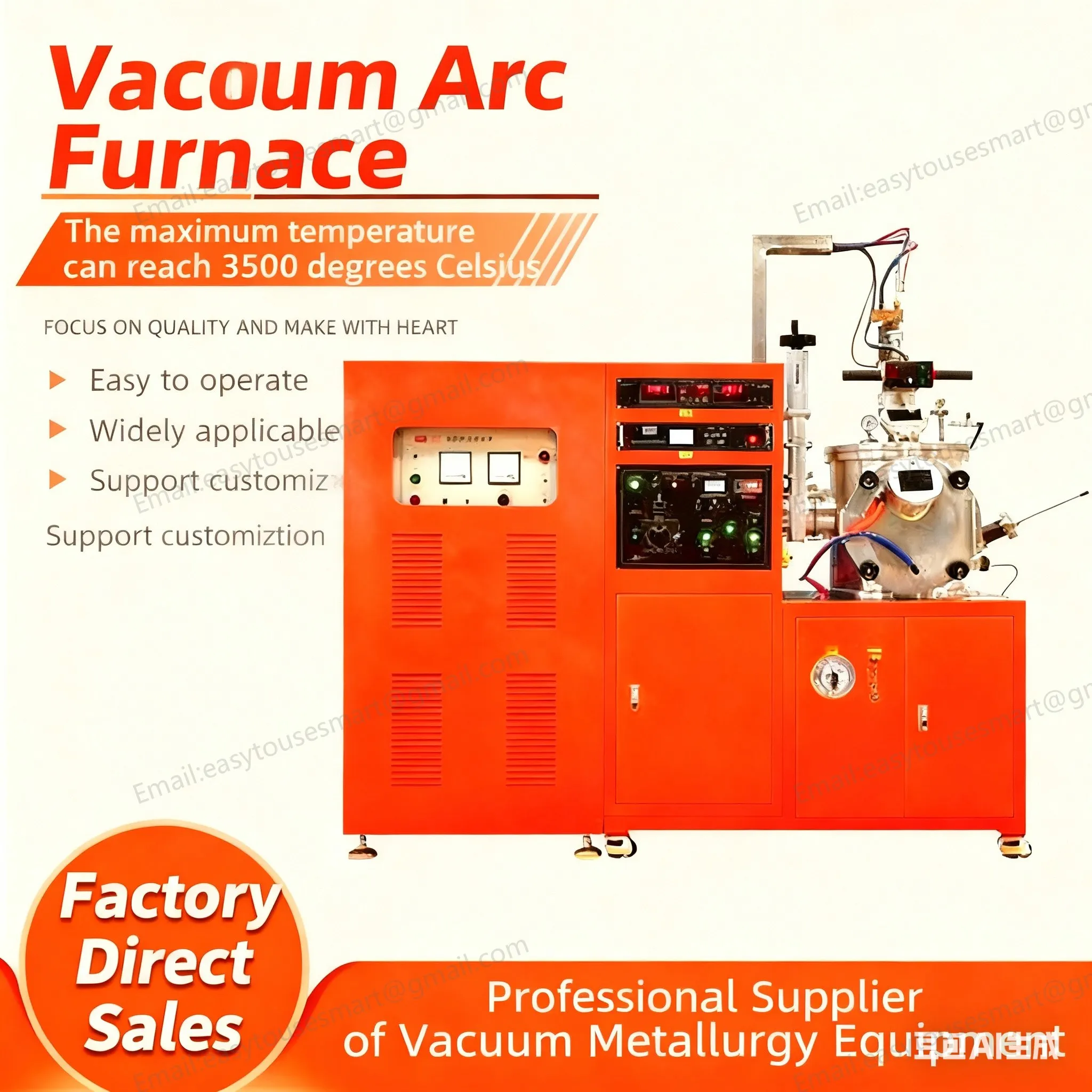
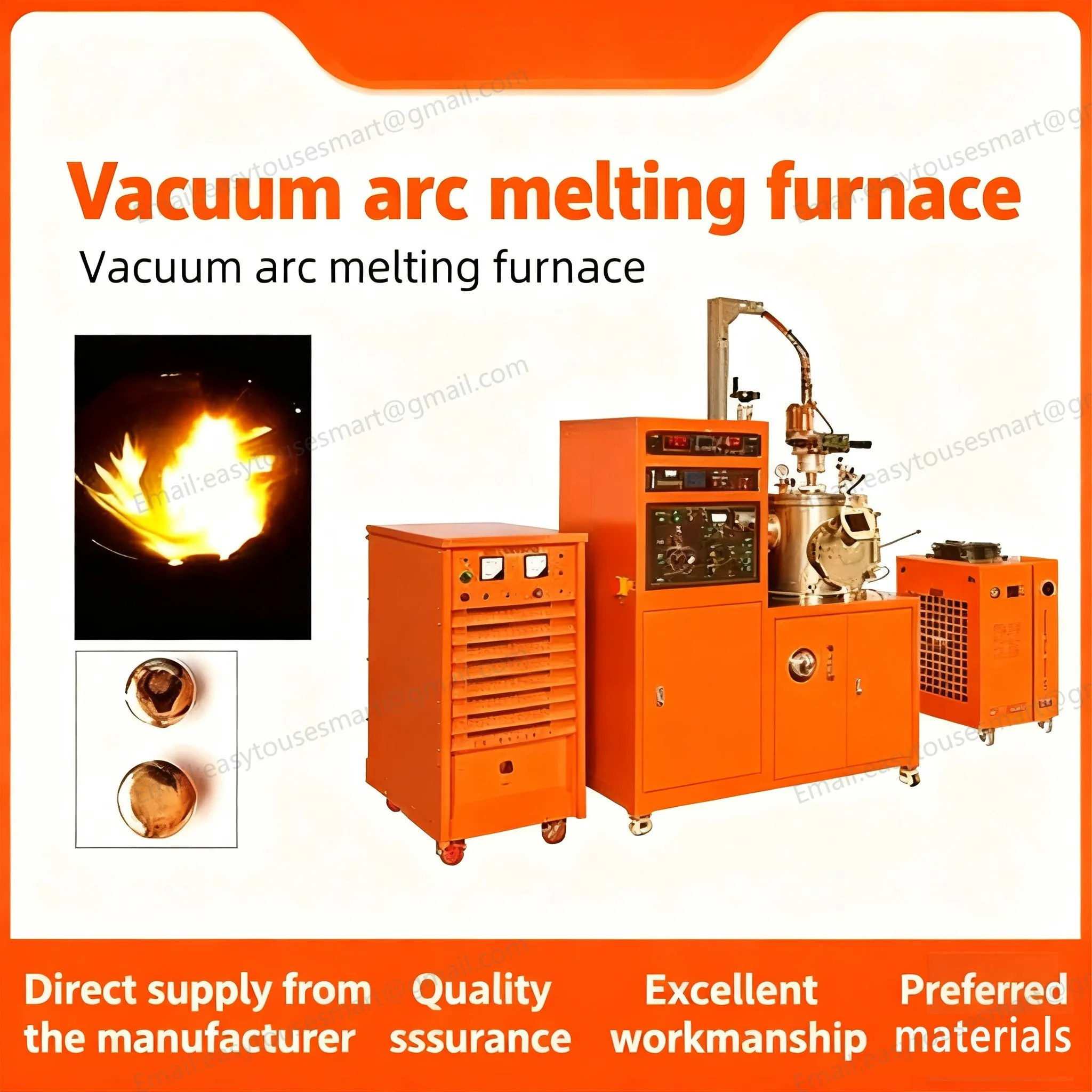
2. Vacuum Arc Melting: Arc Heating, Divided into Self-consumption and Non-self-consumption Electrodes
Working principle: Under vacuum conditions, metal smelting is achieved through arc heating generated between the electrode and the molten metal. Based on electrode type, it can be classified into two categories:
· The electrode arc melting: the electrode made of molten metal is used as the "self-consumption material", the electrode is gradually melted when the arc heating, the metal droplet falls into the water-cooled copper crucible to form a pool, which can achieve the purification and homogenization of the metal;
· Non-consumable electrode arc melting: The electrodes are made of refractory metals (e.g., tungsten, molybdenum) that do not participate in the melting process but are used solely for heating the charge through the arc, making it suitable for melting high-melting-point metals (e.g., tungsten, tantalum).
Key features: High melting temperature (up to over 2500°C), stringent vacuum requirements (typically ≥10⁻³ Pa), and effective removal of non-metallic inclusions from metals; however, the heating zone is concentrated, necessitating control of arc stability to prevent localized overheating.
Application scenarios: Melting of high-melting-point metals (tungsten, molybdenum), reactive metals (titanium, zirconium), and large alloy ingots (e.g., titanium alloy ingots for aeroengine turbine disks).
3. Electron Beam Melting: High Vacuum Electron Beam Heating for Extreme Purification
Working Principle: In a high-vacuum environment (typically ≥10⁻⁴ Pa), a refractory metal cathode (e.g., tungsten) is heated to emit electrons. These electrons are accelerated by a high-voltage DC (10-30 kV) to form a high-energy electron beam. The beam is then focused by a magnetic lens and directed at the molten metal (anode). The kinetic energy of the electrons is converted into thermal energy, melting the metal. Simultaneously, the electron beam heats the molten pool surface, prolonging the holding time and promoting the volatilization of impurities (such as low-melting-point metals like lead and zinc).
Key features: The melting temperature is extremely high (reaching above 3000°C), achieving optimal purification results (producing metals with purity exceeding 99.999%). However, the equipment has high energy consumption, a complex vacuum system, and stringent operational technical requirements.
Application scenarios: Melting of ultra-high purity refractory metals (e.g., high-purity tungsten, high-purity niobium), special metals for nuclear industry, and purification of semiconductor materials.
II. Core Operating Conditions of Vacuum Smelting Furnace: These Four Aspects Must Not Be Neglected
Vacuum melting furnaces have strict requirements for working environment and operational parameters. Non-compliance with these conditions may directly affect equipment performance and melting quality. The specific working conditions are specified as follows:
1. Environmental Temperature and Humidity Control
· The ambient temperature should be maintained between-10℃ and 75℃. If the temperature is too low, the vacuum system seals may harden and leak. If the temperature is too high, the electrical control system's heat dissipation will be affected, which may cause circuit failure.
· Relative humidity: Should not exceed 85%. High humidity may cause corrosion of metal components in equipment, while moisture entering the furnace cavity could compromise the vacuum environment, thereby increasing the risk of metal oxidation during smelting.
2. No pollutants in the surrounding environment
Avoid the presence of conductive dust, explosive gases (e.g., hydrogen, methane), and highly corrosive gases (e.g., chlorine, sulfur dioxide) around the furnace.
· Conductive dust may cause short circuit in electrical control system, which will affect the normal operation of heating power supply and induction coil.
· Explosive gas and high temperature melting environment contact easily cause safety accident;
· Corrosive gas accelerates the corrosion of furnace body and vacuum pipe, shortens the service life of equipment.
3. No tilting, vibration, or bumping
The vacuum melting furnace must be installed on a level and stable surface, avoiding significant tilting (tilt angle ≤1°), vibration, or bumps.
· The inclination will cause the uneven liquid level in the crucible, which will lead to the composition segregation.
· The vibration may destroy the vacuum seal interface, which will decrease the vacuum degree, and affect the stability of electron beam and arc, causing local overheating or melting interruption.
4. Strict control of furnace temperature and operational standards
· Temperature limit: The furnace must not exceed its rated temperature (e.g., vacuum induction melting furnaces typically operate at 1800°C, while electron beam melting furnaces can reach 3000°C). Exceeding this limit may cause crucible melting and furnace damage.
· Prohibited operations: Direct pouring of liquids or dissolving metals into the furnace is strictly prohibited to prevent furnace contamination and equipment clogging. After smelting, the furnace must maintain a vacuum state to facilitate rapid vacuum extraction for subsequent use and reduce equipment wear.
III. Maintenance of Vacuum Smelting Furnace: Key to Prolonging Its Service Life
The maintenance of vacuum melting furnaces directly impacts equipment stability and operational costs, with three key aspects requiring special attention:
1. Vacuum System and Furnace Maintenance
· After each use, maintain vacuum inside the furnace to prevent air ingress that may cause oxidation of the furnace chamber.
· Clean the furnace interior regularly to remove residual metal slag and oxides, ensuring the furnace remains clean.
· Inspect the vacuum pipeline and seals (e.g., O-rings) for tightness. Replace any aged or damaged components immediately to prevent vacuum leakage.
2. Inspection of Electrical Control System
· Regularly (recommended once monthly) inspect electrical connections, particularly the heating power supply, induction coil, and electrode terminals, to ensure they are securely fastened and to prevent localized overheating caused by poor contact.
· Check the accuracy of temperature control systems, vacuum gauges and other instruments, and perform regular calibration to ensure precise parameter monitoring.
3. Regular replacement of key components
· Induction coils and electrodes (e.g., tungsten electrodes) are prone to wear. Regular wear inspections should be conducted based on usage frequency, with timely replacements to prevent component aging from compromising smelting performance.
· Cooling systems (e.g., water-cooled copper crucibles and pipes) require regular scale removal to maintain efficient cooling and prevent equipment overheating due to insufficient cooling.
IV. Application Fields of Vacuum Smelting Furnace
Capitalizing on the distinct advantages of various smelting techniques, vacuum furnaces have been extensively adopted in high-end manufacturing and advanced materials sectors.
· Aerospace: Preparation of materials for engine and fuselage components such as titanium alloy and high temperature alloy;
· Marine vessels: Special corrosion-resistant steel is produced for marine propellers and deep-sea equipment.
· New Energy and Semiconductors: Purifying high-purity metals and semiconductor materials to boost the photovoltaic and chip industries.
· Nuclear industry: Production of radiation-resistant metals and alloys for nuclear reactors.
sum up
The operation of vacuum melting furnaces must strictly adhere to the principle of "compatible melting type + appropriate working conditions + proper maintenance," and should never be operated arbitrarily. Different melting types are suitable for specific materials and scenarios, while working conditions (temperature, humidity, environmental cleanliness) directly impact melting quality. Standardized maintenance is crucial for extending equipment lifespan and reducing failure risks. With the increasing demand for high-purity materials in advanced manufacturing, vacuum melting furnaces will evolve toward "higher vacuum levels, smarter temperature control, and lower energy consumption." However, the core requirements of working conditions and operational standards remain the foundation for ensuring stable equipment operation and material quality.
QR code

Contact information
15738867410
Online Message
Top